EP: 84
Making Your Brand Experience Gold
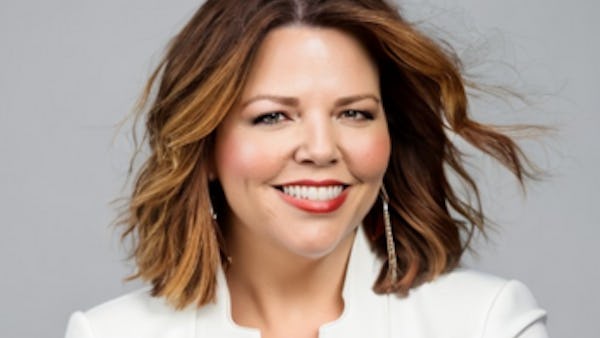
With Melissa Galland
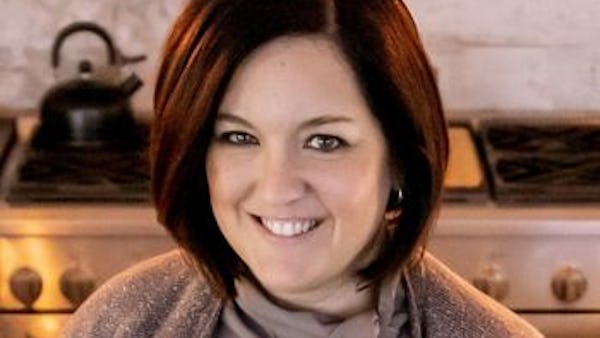
This week on the Builder Marketing Podcast, Amber Frankhuizen of AFMKTG joins Greg and Kevin to discuss how home builders can create a brand experience that connects with home buyers and converts to sales.
Brand is much more than a visual representation; it’s the entire perception a customer has of a home builder. Amber says, “A lot of people think brand means logo, and that's definitely a part of branding. But a logo mark represents the brand instead of the visual name or whatever. It's like the mark, like the Nike Swoosh. We all know that. Branding is the process of creating the brand or creating what people are going to say about you, and brand is what other people say about you when you're not in the room.”
At its core, successful branding starts and ends with a great product. Amber explains, “The first piece is product. It's one of the many Ps of marketing, and as I always say, no matter how sexy your marketing campaign is or your celebrity endorsements, if your product isn't good, then there's no amount of marketing that can fix it. So, really starting with the product and understanding the product and the developer's intention. One of the things that we always talk about is translating the vision of the developer, what happens in the boardroom and getting it out of that boardroom and into the hands of the customer.”
A compelling brand experience is also built on powerful storytelling. Amber says, “Evolutionarily speaking, storytelling is super effective for getting messages down between generations to generations. We've been doing this forever. Right? There's actually a stat that says people are 22% more likely to remember facts about something if it's embedded in a story. So when you're telling somebody something, you can give an anecdote, a story, et cetera, it allows that story to live on longer.”
Listen to this week’s episode to learn more about how to craft a powerful and successful home building brand identity.
About the Guest:
Amber Frankhuizen is the Founder & Creative Director of AFMKTG. AFMKTG [A-F-Marketing] is an award-winning creative agency specializing in strategy, branding, graphic design and website development for Home Builders, Real Estate Developers and Hospitality Brands.
Possessing a deep understanding of real estate development, homebuilding, multi-family marketing, student housing and sales, she has been responsible for the sales and/or marketing of over $3B in real estate assets and has supported sales teams in closing over $250 million in sales in her career.
Amber is also the host of Old Money, a podcast focused on empowering women to build wealth and live well. The show provides a relatable take on personal finance, money mindset, human behavior, entrepreneurship, career advice and lifestyle.
Greg Bray: [00:00:00] Hello everybody, and welcome to today's episode of the Builder Digital Marketing Podcast. I'm Greg Bray with Blue Tangerine.
Kevin Weitzel: And I'm Kevin Weitzel with OutHouse.
Greg Bray: And we are excited to have joining us today, Amber Frankhuizen. Amber is the founder and creative director at AFMKTG. Welcome, Amber. Thanks for joining us.
Amber Frankhuizen: Hey, you two, great to be here. I'm a huge fan of the show, and I feel very honored. I'm an esteemed company with all the guests that you've had, so thanks for having me on.
Greg Bray: Well, Amber, for those who haven't had a chance to meet you yet, let's learn a little bit more about your background. Give us that quick [00:01:00] intro about yourself.
Amber Frankhuizen: Absolutely. I grew up in the home building industry. My mom sold new homes in Northern California for most of my childhood, so I grew up in model homes, and you know, playing behind the trap fence, if anybody can remember those days, and got into development right out of college. And I've worked on everything residential related, multifamily, single-family homes, high-rise hospitality, and I love it.
So, now as the founder of AFMKTG, we're a creative agency that supports real estate development companies with their projects or at the venture level, to do whatever branding marketing strategy they need. We also work in hospitality and yachting because, as I say, yachts are just second homes that float. And as we had the connection earlier, I'm Dutch, so I was also raised on boats and around the water. So, that's another big passion of mine.
Kevin Weitzel: That is awesome. And you were right up the alley of our listening base. So, before we get started and all that awesomeness, let's go into one factoid about [00:02:00] yourself that has nothing to do with work, the home building industry, or family?
Amber Frankhuizen: I love it. Well, okay. It's not really about family, but it's a weird thing that I'm really obsessed with. I love sports, I love Super Bowl, I love all the things, but there's one event every year that I look forward to it all year long. It completely captivates me, and it's the most obscure thing. It is the Westminster Dog Show. I can't get enough of it. If anyone has ever seen the movie Best in Show, I'm pretty sure that's what it's really like. I'm obsessed. I have a very unique breed dog, a chow chow, so I watch in her honor, and now I just can't get enough.
Kevin Weitzel: Number one, chow chows are awesome.
Amber Frankhuizen: Thank you.
Kevin Weitzel: Is that a whole purple tongue and everything?
Amber Frankhuizen: Yeah.
Kevin Weitzel: Dark coat, light coat?
Amber Frankhuizen: Light coat. She's a cinnamon color.
Kevin Weitzel: Okay. That whole series of films that are done in that style are amazing. You're right. The Westminster Dog Show, the Kennel Show, is fantastic. Now, do you also get into the agility courses and the jumping contests and stuff?
Amber Frankhuizen: Here's the thing. Chow chows are not the most [00:03:00] athletic dogs. I have a big fat rollie pollie, and she could not do an agility course to save her life. So, to spare her the embarrassment, we just don't watch that part in the house.
Kevin Weitzel: Oh, Greg, get us started, buddy.
Greg Bray: I'm still stuck on floating houses. We might need to branch out, Kevin, and get into the floating house business because that's a whole nother market for us. So, it's awesome when you spin it that way. But Amber, help us understand. You grew up in this industry, but you ended up in more of the marketing side as opposed to like sales and things. What got you attracted to that and interested in working in this part of the industry?
Amber Frankhuizen: Honestly, it was trying it, being in a sales and marketing role from a leadership perspective, and knowing that I was not built for sales. I'm a creative girl. So, I was very lucky to work at a private developer in San Diego called Zephyr, and did a lot of projects with them. Worked my way up to leadership of Vice President of sales and marketing there. I just was craving the creative concepts, creating these stories, and all of those things, like I would get wrapped up in that so [00:04:00] much.
A lot of the vendors that I had worked with over my career, I kept feeling like we were getting the same stuff over and over again. Like the estates and the villas and it's luxury living redefined, like how many times can we say that? And so, it really inspired me to kind of say, What am I passionate about? Which is art and culture, especially internet culture, and what the youth is doing. Can I make something that feels a little bit more unique and bring it to an industry that I love and respect? So, we're known for really bringing some boundary pushing brands and cool stuff, and going a little bit more creative than you would typically see in the home building industry.
Greg Bray: So, with AFMKGT, I know you've kind of already told us who you work with, but just a little more about the exact kind of service set that someone would come to you for if they wanted to work with you.
Amber Frankhuizen: Yeah, absolutely. We can support our clients at every stage of the development process. So, as soon as you know, there's dirt and we're entitling it, there's strategy opportunity there. Who's living there? What do they care about? What do we need to program? What's going to work for the area? [00:05:00] Moving into branding, positioning, messaging, then going into go-to-market. So, designing collateral and putting together a landing page and email flows, all that kind of stuff, all the way to social media through lease up and then support through sellout. So, we can do every part of the spectrum. What we're best known for is our brand, so that's my favorite thing to do and what we get a lot of attention for.
Greg Bray: That's a lot of different parts and pieces. When you first talk to somebody, you're talking to a builder, developer, and they're like, Okay, we need this marketing stuff, and they don't really know what that includes. Where do you start? What is the first piece of all of that that you would look at?
Amber Frankhuizen: The first piece is product. It's one of the many Ps of marketing, and as I always say, no matter how sexy your marketing campaign is or your celebrity endorsements, if your product isn't good, then there's no amount of marketing that can fix it. So, really starting with the product and understanding the product and the developer's intention. One of the things that we always talk about is [00:06:00] translating the vision of the developer, what happens in the boardroom, and getting it out of that boardroom and into the hands of the customer. So, like translating that story without it getting lost.
So, we really start with intentions. And we have this Venn diagram that kind of runs every project that we do. And it's three circles that overlap with what's the project, what's the core, what's the root, what's the soul? What are the values of the customers that are eventually going to live there? What do they actually care about? And then what's the story of the neighborhood or the community? What happens where this place is going to be? So, that really frameworks all of our discussions. And we always start at the beginning with making sure that the product is great and programmed for the people and the community, and it all fits.
Greg Bray: Do you find that when builders start that, that they've already thought about all three of those parts, or is there really one that they've kind of, well, we want to build a three-bedroom, whatever, you know, X square feet type of thing, and figure out who to [00:07:00] sell it to? Or have they already thought about some of these other parts and pieces of why and the story behind it, and how that's all going to come together?
Amber Frankhuizen: What I've seen recently, in the last few years, is that so many new development teams are really run by finance teams, so they're looking to maximize the FAR. They're looking to pack in as many units as they can. They're like, what's the rent role here? And especially in San Diego, we're in a massive housing crisis. San Diego's where I'm calling in from, by the way. All we see coming up there's new buildings everywhere, and they're all micro units, one-bedroom units with no parking. That's going to be what the entire market is, especially in like the city of San Diego, in the next five years.
Did anybody ask, like, does anybody want this? Or what other projects are coming up in this area? We've got this massive inventory issue. We have so many buildings downtown that just can't lease up anymore because people in San Diego want to have a family, and now people are working from home. And maybe a two or three-bedroom would be a better option.
But when you're just looking at it from a finance [00:08:00] perspective, no, not a lot of people are really looking at how do people live, what are the trends in the area, what can we maximize here and produce something different as opposed to looking for tax credits, rebates, or getting that affordable housing credit back. So, bringing the human element from a marketing and research perspective is really important to balance out the needs of the financial side and the product so that it can actually sell and be successful.
Kevin Weitzel: It's almost like these finance guys take a road trip to Tokyo. Have you ever seen those coffin beds, Greg? Where you literally rent, it's like a slightly bigger than a coffin. You would literally rent a bed, and it has like lighting inside, and you close yourself into it like a mausoleum. It's crazy. You think these finance guys are like, Hey, that's the way to make some money. Let's do this.
Amber Frankhuizen: It really could be. And I think the other thing that's so interesting is, and obviously, we want to design for the future, right? I can speak to San Diego, particularly since I live here and it's my backyard. And one of the things that they're doing is this program called Complete Communities, which, in theory, is a great idea. You [00:09:00] can do higher-density buildings with no parking requirement as long as you're on a transit corridor, so a bus system or something.
But the bus system literally only goes like up and down a couple of streets in downtown San Diego. It doesn't cover everywhere. And hello, we're in Southern California. This is car central, like you need a car to get around everywhere. So, it's really impacting the neighborhoods in an interesting way. It'll be nice to see how it kind of comes to fruition in five years, 10 years, if more people ditch the car and go to Uber and go to public transport, and bike. But that's TBD, and honestly, I don't know that I'm so bullish on that.
Greg Bray: I can envision that often the marketing team is not in those conversations when the finance team made all these decisions. The land's bought, the product's kind of defined, and now you're being asked to come up with a story and how we're going to sell this. So, how do you kind of attack that type of scenario, of, alright, this is what I've got, this is the pig I gotta put some lipstick [00:10:00] on. What is it that we're going to do? How are we going to beautify this and get it out to the market?
Amber Frankhuizen: It's been something that has tripped me up in my career, honestly, of getting basically a pro forma and saying, these are the prices that we need to sell at and make it work for all of these 168 units. I run comps, and I'm like, whoops, we can't price it where your pro forma is. Your prices are going to be 20% lower, and then it all breaks, right? So, the earlier that we can have those conversations, even if it's just a research-based conversation to bring in more than just the data. We can bring in the trends, the lifestyle, the culture, the people, all the things. We can just get in the room early and at least influence the conversations in that way.
That's been so helpful for the partners that we work with, and it's one of the things about our agency is that we're not a volume shop. We don't work with a ton of different developers. We do deep relationships with a few developers. So, it's like when the land deal is signed, I get to be in those rooms. I'm a trusted partner. And so, I'm really grateful for the [00:11:00] developers that will hold space for us and want to investigate that because, at the end of the story, it makes the asset so much more successful.
Greg Bray: So, brand is a core part of what you're talking about. How do you define that? What does brand mean to you?
Amber Frankhuizen: I love that question because this is something I think people get confused on. A lot of people think brand means logo, and that's definitely a part of branding. But a logo mark represents the brand instead of the visual name or whatever. It's like the mark, like the Nike Swoosh. We all know that. Branding is the process of creating the brand or creating what people are going to say about you, and brand is what other people say about you when you're not in the room.
So, it's the impression that you leave, and that's not a quote that I made up. That's from Marty Neumeier, I think his name is. He wrote the Brand Gap. It's one of my favorite books. I recommend it to everybody. But it's truly about reputation. What are the vibes you're putting down, and what are people actually picking up? So, that's what we're here to craft and create and curate, and we do that through colors and [00:12:00] fonts and storytelling and visuals. And that crafting of the narrative is what we're really, really passionate about.
Greg Bray: How hard is that to do?
Amber Frankhuizen: I'm going to tell you, if there's a great product in a great neighborhood, it flows. It's so easy. We joke around like we're like the Taylor Swift of branding agencies because we'll like pull these little nuggets and all these little Easter eggs and clues, and we try to find this common thread. But when you're building, you know, kind of a vanilla product in a town that doesn't really have anything new to it, it can be so hard.
I'm working on a, it's a nameless project right now for a nameless client, but we are struggling so hard to come up with a story. And so, we're really leaning into what's special about the project, what can we pull from that, what we can draw inspiration from. So, it's all about like pulling these threads and seeing where there's a story that you can tell.
Kevin Weitzel: Have you tried not going to get mugged in this neighborhood?
Amber Frankhuizen: That is a great SEO idea, and I think we should [00:13:00] present that to the client.
Kevin Weitzel: You want to live where you're going to get mugged. Well, this isn't the place. Come on down.
Amber Frankhuizen: I love it.
Greg Bray: For those of you who don't listen to us often, sometimes you get these freebies from Kevin that you just never know.
Kevin Weitzel: You'll never get sued for stealing my content, whatever. Nothing, never.
Greg Bray: Oh my. So, Amber, how do you move from brand to story? How does that process look?
Amber Frankhuizen: Yeah. You know, I'm really obsessed with stories. Another great marketing book is Story Brand. Everybody's heard of that one, I think. I'm obsessed with story because I'm also obsessed with just humans and how we all operate. Evolutionarily speaking, storytelling is super effective for getting messages down between generations to generations. We've been doing this forever. Right? There's actually a stat that says people are 22% more likely to remember facts about something if it's embedded in a story. So when you're telling somebody something, you can give an anecdote, a story, et cetera, it allows that story to live on [00:14:00] longer.
So, in the generations of home building, we have a story that needs to go from, like I said, the boardroom or the developer. It needs to make its way into the messaging. The sales associate needs to understand that story, then they need to tell it correctly to the buyer. And then ideally, that story's so good that the buyer remembers it. It creates an emotional reaction for them, and they're so excited to talk about it at their first dinner party hosted in their new home. That's the goal. It's like, what's the story that can come through? And sometimes it's about the history of the land, or it's the intention of the developer, or this certain piece of art in the building, or whatever it might be.
Because if you think about the opposite. What is the worst thing that you could do as a land builder? Is to develop on an old Indian burial ground. That's the worst story that you could retell, right? Like we've all heard that growing up of like, oh, that place is haunted, or it has this thing. So, we need to create stories that are not that, that they're the opposite. They're engaging, [00:15:00] they're memorable, and they're really creating an emotional connection for people that they'll remember and tell their friends about and have pride in ownership in.
Greg Bray: You mentioned working in the floating house industry or yachts. What are some of the things that the folks in the yachting world are doing with their stories that builders might be able to learn from, or examples there that they could benefit from?
Amber Frankhuizen: I love that question. I think that across any industry, the thing that I see that's working really well with brand is creating identity. So, take it out of the yachting. Let's just go to like regular boats. If you have a ski boat or you have a pontoon boat, or you have a canoe, all of those different types of boats have community around them. You have people that are going to, you know, share secrets about their nautiques or they're going to be tuning up their houseboats or all these things. They go to boat shows. There's community around it.
And again, going back to this kind of evolutionary psychology. Having community is survival mechanism, and people [00:16:00] love community. They need to find their ingroup. It's part of how we're wired as humans. And also when we're choosing brands, people are looking to have identity with the brand, not only to showcase to others who they are, but to showcase to themselves who they think they are, who they want to be.
So, in the boating world, you're picking an Alpha yacht or a San Lorenzo, or you're going to go with a Dutch builder, or you're going to go with an Italian builder. All of those different decisions have some sort of signal to them of what you value, what you perceive to be better, what you like, et cetera.
And if you take that and extrapolate it out to any other industry, I mean, cars is an obvious one. You know, you buy a Tesla, you're probably, you know, eco-conscious and tech-focused. If you're legacy-focused and classic, maybe a Jaguar. Or if you're going to go into like, we're in home building, so like construction. Walk onto a construction site, I guarantee you most skies are wearing what is it? Red Wing. Red Wing boots. You guys know about Red Wing Boots? The best construction boots you can get.
Kevin Weitzel: They're fantastic.
Amber Frankhuizen: Fantastic. [00:17:00] Right? And there's a story with that, or like Carhartt. Carhartt is high-quality construction wear, and there's identity with that. Or I'd love to know from you two if either of you have a garage full of tools like my father has, are you like a DeWalt guy? Are you a Craftsman guy? Like, what's your tool brand of choice?
Kevin Weitzel: Snap On Craftsman and Park tool because the bicycle side, but yes.
Amber Frankhuizen: And you buy those because you have an appreciation for them, or an idea of that is quality. Those are the better ones. You like how it works together, all the things, right? So, no matter what brand it is or what category we're talking about, there's an identity because now you're a Craftsman tool guy and you have your Craftsman tool box and it's in your garage and it's got a signal on it, and it's all the things. So, I'm obsessed with how brands help us reflect our identity to others and also to ourselves because it allows us to pick the things in our life that we really value. So, I think that's the best thing that people are doing.
Kevin Weitzel: Storytelling also goes into branding and trying to put [00:18:00] that earwig in the person's brain. Like De Beers, making all men think that the engagement ring needs to be worth two months' salary. You couldn't name a person that couldn't come up with that line or not come up with that line, but can't recognize that line and associate it back to a diamond ring. Whether they associate it to De Beers or not, different story. Isn't it crazy that that one tagline has told such a story where it is embedded in the brains of every flippant American on the planet?
Amber Frankhuizen: A hundred percent. The diamond industry is fascinating. Speaking of De Beers, like this is hearsay, so allegedly, like, don't sue me, De Beers, but allegedly, they will dump diamonds into the ocean to control the supply, to keep the prices high. Which, again, allegedly like all the weird things there. But the same thing with like Tiffany. Tiffany is just a storied brand. It's a Tony brand. Everybody knows quality associated with Tiffany, and that's because it's been woven through pop culture for forever, in the movie Sweet Home Alabama, or obviously, Breakfast at Tiffany's, all these things. [00:19:00] And the color is associated with it so much, it's like all of these elements. And brand takes time to build, it takes time to build a reputation. So, yeah, you're totally right, Kevin. I think story is one of the most crucial pieces of brand.
Greg Bray: Do you feel, Amber, that sometimes builders discount brand because they feel like if I've got the right land in the right place at the right price, it just doesn't matter if they know my name, they're going to come buy this home?
Amber Frankhuizen: A hundred percent. Listen, I know also that sometimes on a smaller project, branding and the big exercise of it, it doesn't pencil, especially if you're going to do, you know, maybe like an infill project, and you know, you're just scraping by on margins or doing something like that. Or you are passing a brand off to a third-party operator, and you're not really worried about the asset in the long term. You know, some people are not interested in investing for that reason.
But the brands that I see doing it right are always investing in brand, even when they have the best reputation. There's an amazing case study out of [00:20:00] San Diego, actually Encinitas. It's called Fox Point Farms. Are you guys familiar with that property? I'm going to send you some information on it because it is fascinating. It is one of the best projects. It has been on a wait list since phase one, and they just sold out, and they still have a wait list of over a thousand people that are hoping that somebody falls out of escrow so they can buy in.
And Shea Homes is known, it's a private company known for incredible quality, and they could really just be, Shea Homes, come buy your homes. But the reason that this property in particular has been so successful, it's developed by Nolan communities, but it's an agrihood. It has an agricultural component on this property in coastal Encinitas. It's just on the east side of the five freeway, and there's an organic farm. There's a brewery, a coffee shop, a rec center, all of these amenities, and everything's focused around being outdoors. It's got all of this open space, walking trails, edible gardens, all the things.
They have really leaned into the brand, and somebody from the community actually runs their Instagram account for Fox [00:21:00] Point Farms. They have 55,000 followers of people being like, What's going on in Fox Point Farms? How can I be there? And then, of course, the community aspect, the identity, oh, I live there. Oh, that's what I care about. Community, health, being outside.
It would be easy for Shea to just say, Let me just slap on a Shea logo to this and Shea home community in Encinitas, but they've really leaned in and they've created a great product. There's great story around it. It's great community and great identity. So yeah, I think a lot of people say, Eh, you know, I will build it. They will come. It's like Field of Dreams, right? But when you have that there, there, and you can really encapsulate it, I think that's really exciting.
Kevin Weitzel: A really cool story. However, I'm under the impression, and I have the kind of mindset that it's easier to market to affluence, to sell that brand, to sell that elevation of status. How do we tell a story to the have-nots, to the people that are just scraping by, that can barely get into a house? Because that home's not going to have the [00:22:00] lazy river. That home's going to have a monument sign at the entry, if that. How do we differentiate that storyline, as opposed to the fancy pants neighborhood, Fox Point Farms? What could we do for those builders out there that don't have that same wow factor?
Amber Frankhuizen: Yeah, I love that. And just to note on Fox Point, too. Coastal San Diego is not a cheap place to buy a house. They had entry-level home prices for one-bedroom townhomes starting at 700,000, which is honestly unbelievable for this area, like pricing-wise. I know for the rest of the country, you're like, that's crazy for a one-bedroom. But for San Diego, it was incredible for new product. It was all, you know, mixed use, and it's all townhomes and flats and all the things. So they had a really good product mix, which I think was helpful.
But one of the things that I think we don't talk a lot about is place and then lifestyle of how people are actually living. So, I work on quite a few multifamily projects that are maybe not in the best part of town, but you know, whenever you're building something here, there's always going to be a feature that maybe is [00:23:00] fast freeway access, or you know, a fast commute home. Or a sanctuary, maybe there's a garden outside where you can come with your dog or spend time in the outdoors.
If you're selling a single-family home and it's, you know, an entry-level home, it's the desire of home ownership. It's who your neighbors are going to be when you move in with them. It's less about the price point; it's more about the experience. What do you value? So, we know that people that are looking to buy homes are interested in following that American dream. They want to have something that's their own. And it's not about how big the house is or how small the house is, it's the memories you create there, right? So, if you can work with a builder that has a great, trustworthy record, they have great customer service reviews, they're going to get you into a house that you can trust is going to stand up for the next 50 years, I think there's always a story to tell, no matter what price point we're at.
Greg Bray: So, Amber, for somebody who's listening and going, okay, I want to take a look at my brand and my story, can you give us two or three questions that they should be asking [00:24:00] internally that would kind of jumpstart that discussion?
Amber Frankhuizen: 100%. Marketers love to talk about conversion rates and click throughs and all the things, and not, yeah, we like to talk about that too, but I have some unique things to look at. The first one is going to be, what is your referral rate? Are people actually happy living where you're building for them? Like, are they happy? Are they referring their friends? If you have homeowners who are referring people, they're your best marketers, and that's the people that we want to really understand and really learn from. So, if they have certain messages or things to share, we need to listen to them. Really make them our evangelical marketing team.
The other thing is online reviews and just kind of general sentiment, like what are people saying about your brand publicly. Like I said, our brand is not what we say it is. It's what other people are saying about us behind our backs. And so, when we can listen to that without judgment, we are listening and taking in the feedback that we're getting so that we can make improvements on that or sell against that or overcome objections proactively.
And then, of course, for the home building industry, this is so [00:25:00] important, but post-close survey scores or customer service reports. Are your customers satisfied with the product and the long-term health of their home or the place that they live? Those are the keys that are going to give you the fastest unlock to understanding what your customer cares about. What's making them refer people? What's making them happy? What's making them unhappy? And a lot of marketing, unfortunately, is really listening to that feedback, having social listening, and then motivating the rest of the business to really come in and fix that or correct that and see what we can do to make it better. Because reputation is everything.
Greg Bray: No, those are some great questions to really start a good conversation about what are we trying to do, and are we getting there or not. Therefore, what needs to change? Love it. Love it. Well, Amber, you've shared so much, so quick. We've covered a lot of ground. Really appreciate that. Do you have any last thoughts or words of advice on branding and storytelling that you'd like to leave with our folks today?
Amber Frankhuizen: You know, maybe it's because I just got off a call with our intern from this semester, who's just such a lovely [00:26:00] student. She's out of Georgia. And we were talking about personal brand. It was right before this call, so it was on my mind, and we were going to talk about branding on the podcast.
And I think what's really interesting, and I would love to talk about this more, maybe another time we'll come back and talk about it, is personal branding for people in the industry. Like we all carry our own brands, right? Like people know you, whether it's through the old colleagues you've worked with or the LinkedIn posts that you do, like who you are and what you're all about. I don't think a lot of us are very intentional about curating that even, you know, passively.
I have a mentor in the business. He's president at Roundhouse, Dan DeMitro. And he is the sharer. He's the connector. He is always going to like your post. He's always going to hype you up. That is his brand. He's always going to bring the best people along with him. And I know that about him. Everybody knows that about him without him having to ever write a post that says, Hello, my name is Dan, and I am a connector of people, and I really love to support people. It's like telling people you're funny instead of being funny, right?
I think that when we all [00:27:00] take stock in how we're showing up in the world with our colleagues or online, and we start to really become aware that we all have a personal brand, I think it all starts to click with people around, you know, what do I want to put out in the world? What are the vibes that I want other people to pick up? Because again, your brand is not what you say you are. It's what other people are saying about you behind your back.
Greg Bray: Well, Amber, thank you so much for sharing again. If somebody wants to connect with you and learn more, what's the best way for them to get in touch?
Amber Frankhuizen: I would love to hear from you. I respond to every email personally, every Instagram dm, we are on Instagram, LinkedIn, all the things. It's AFMKTG. That's spelled A-F-M-K-T-G or Alpha, Foxtrot, Mike, Kilo, Tango, Golf.
Greg Bray: Awesome. Well, thank you, everybody, for listening today to the Builder Digital Marketing Podcast. I'm Greg Bray with Blue Tangerine.
Kevin Weitzel: And I'm Kevin Weitzel, OutHouse. Thank you. [00:28:00]